
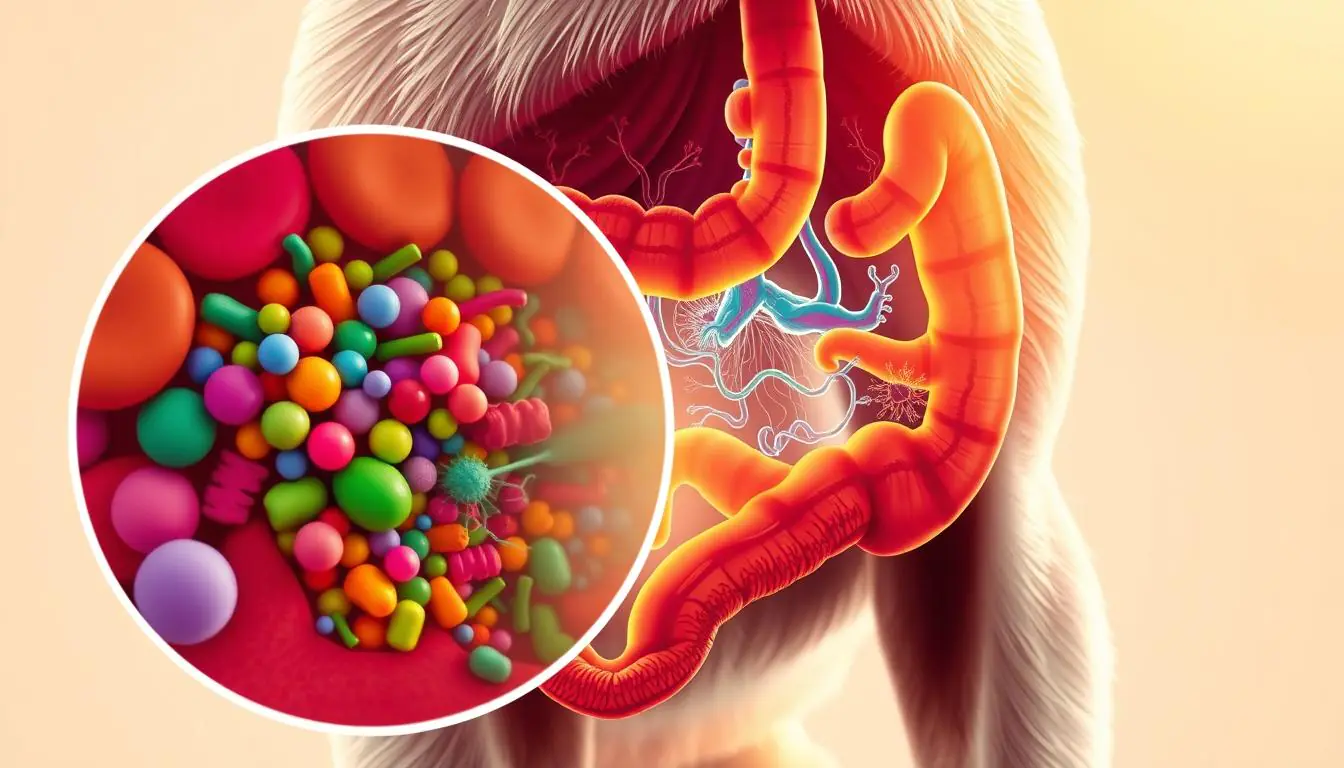
Surprising fact: recent studies show thousands of microbes live in your pet’s digestive tract, and their balance can change how much energy your animal has each day.
This tiny ecosystem—the gut microbiome—does far more than break down food. It helps your pet absorb nutrients, supports immune health, and even influences mood and steady energy.
Modern habits like processed dog food, frequent antibiotics, and mostly indoor life can reduce diversity of good bacteria. That shift raises the risk of IBD, immune reactions, and low energy.
Use a simple Test, Add, Remove, Rebalance plan: test with stool DNA analysis, add prebiotics, targeted probiotics and fermented foods, remove triggers with vet guidance, and rebalance with a supportive dog diet.
Tip: consider DLY Pets probiotics for dogs as a trusted, canine-specific option to include in daily routines that support the microbiome and immune health.
The microbiome is a complex community of microbes living in the digestive tract. This community helps break down food, make vitamins, and turn nutrients into steady energy you can see in play and walks.
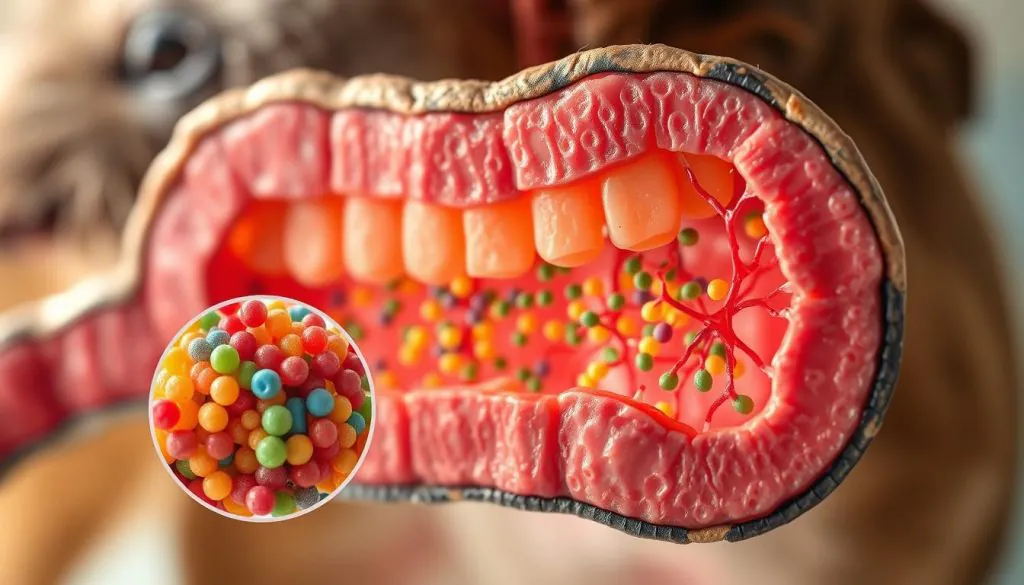
Diverse gut bacteria teach immune cells to tell friend from foe. When many strains coexist, the immune system avoids overreacting to harmless exposures and targets real threats faster.
Microbes produce short-chain fatty acids that feed intestinal cells and keep harmful microbes in check. They also signal the brain through the gut-brain axis, helping stabilize mood and daily vitality.
Antibiotics, stress, and processed diets can reduce diversity. That loss raises risk for IBD, allergies, and low energy.
| Strain | Main Action | When to Consider |
|---|---|---|
| Lactobacillus | Immune modulation; supports digestion | During mild digestive upset or seasonal immune support |
| Bifidobacterium | Promotes barrier function and SCFA production | When diversity is low or after antibiotics |
| S. boulardii | Rebalances after disruptions; reduces inflammation | Following diarrhea or vet-recommended antibiotic use |
If you’re considering ongoing support, DLY Pets probiotics for dogs can fit into a plan you build with your veterinarian after assessing the microbiome.
A quick symptom checklist can reveal early clues that the digestive tract needs attention. Start by noting changes you see: loose stools, diarrhea, constipation, itchy or flaky skin, bad breath, or sudden anxiety and pacing.
Signs to watch:
Stool-based microbiome testing uses DNA sequencing on a single fecal sample to map which bacteria live in the digestive tract and their proportions. Results compare your pet to healthy peers and can reveal low diversity or an overgrowth that explains symptoms.
“Before adding new products or major diet changes, consult your veterinarian.”
Share a symptom diary and test report so you both can plan targeted steps. If your animal recently finished antibiotics, testing now can show disruption so you can prioritize recovery and retest later.
Practical next steps: consider a trusted at-home stool test like the stool-based microbiome test, track changes every few weeks, and introduce any supplements slowly while monitoring for short-term digestive changes.
Start with meals that favor high protein and fewer carbs to encourage beneficial microbes in the digestive tract.
Shift your pet’s bowl. Choose higher-protein, lower-carbohydrate dog food to limit fermentable carbs that can feed undesirable bacteria and drive inflammation.

Feed the good microbes. Mix in prebiotic fibers like inulin, FOS, MOS, and pumpkin to support digestion and immune benefits.
Introduce fibers slowly and keep your pet well hydrated while you monitor stool and comfort.
Small portions of plain yogurt, kefir, or low-salt sauerkraut provide postbiotics such as short-chain fatty acids.
Avoid sweeteners like xylitol and offer fermented foods in modest amounts to prevent tummy upset.
Daily outdoor time exposes dogs to diverse environmental microbes. Regular exercise, stress reduction, and maintaining a healthy weight also support the microbiome.
| Action | Why it helps | How to start |
|---|---|---|
| Higher-protein, lower-carb food | Favors beneficial bacteria and steady energy | Swap to a quality formula or add cooked lean protein |
| Prebiotic fibers (inulin, FOS, MOS, pumpkin) | Feeds good microbes and improves transit time | Mix small amounts into meals; increase over 1–2 weeks |
| Fermented foods (yogurt, kefir) | Provides postbiotics and supports barrier function | Offer teaspoon-sized servings, avoid sweeteners |
| Lifestyle: outdoor time & exercise | Boosts microbial exposure and reduces stress | Daily walks, play sessions, and consistent routines |
If you’re already optimizing meals, layer in DLY Pets probiotics for dogs to complement a high-protein, lower-carbohydrate plan and a variety of prebiotics.
Not all supplements are equal. Strain choice, dose, and storage determine whether live cultures reach your pet and provide benefit.
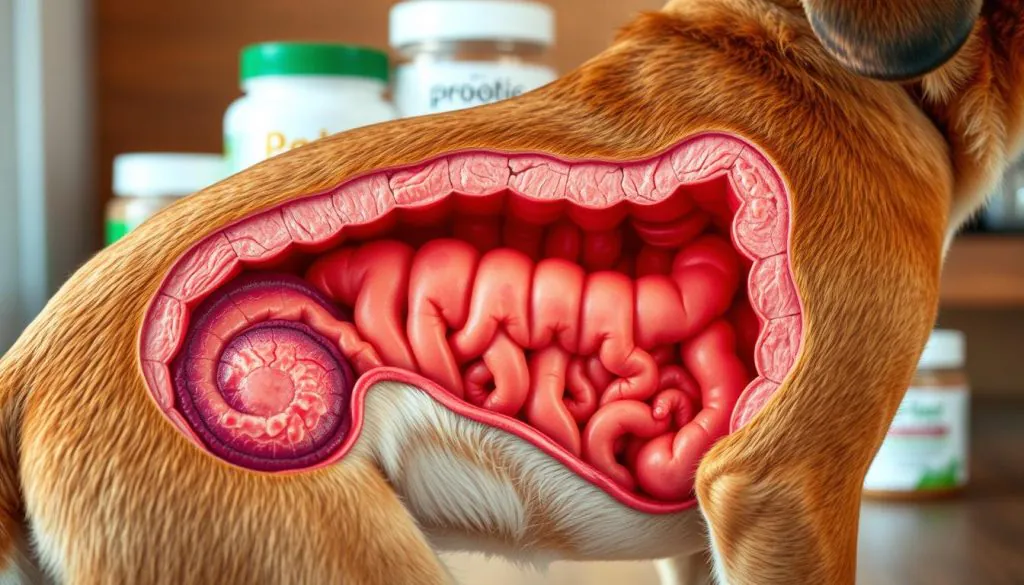
Probiotics are live helpers that add good bacteria or yeast to the microbiome. They produce short-chain fatty acids that support immune tone and can limit harmful microbes.
Reach for probiotic supplements during stress, travel, diet changes, allergy seasons, or with antibiotics. Pair them with prebiotics to feed the added microbes.
| Strain | Main Action | Best Use |
|---|---|---|
| Lactobacillus | Immune modulation | Stress, mild diarrhea |
| Bifidobacterium | Barrier support | After antibiotics |
| S. boulardii | Reset after disruption | Post-diarrhea, antibiotic recovery |
Choose canine-specific probiotic supplements when possible. Follow label dosing, keep products cool and sealed, and start with the recommended dose while you monitor stool and comfort.
“Consult your veterinarian before starting any new supplement, especially for puppies or pets with medical issues.”
DLY Pets probiotics for dogs are formulated for the canine microbiome and can fit into daily routines during transitions or as ongoing support. Follow storage and dosing instructions for best results.
Begin by learning the microbiome profile so every change you make is precise and measurable. A stool DNA test tells you whether to add diversity, treat an overgrowth, or both. Testing avoids guesswork and speeds recovery.
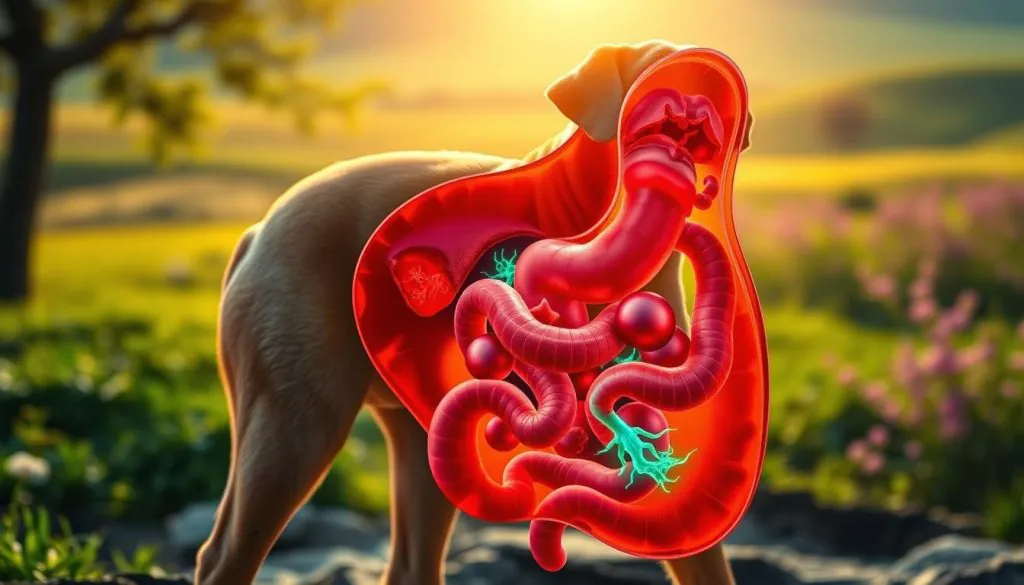
Test: use a stool profile to map missing strains or excesses so you can tailor steps with your veterinarian.
Add: introduce prebiotics (inulin, FOS, MOS), targeted probiotics like S. boulardii and strain-specific mixes, and small amounts of fermented foods. Consider DLY Pets probiotics for dogs as part of the Add step and then for daily maintenance if your pet responds well.
Remove: cut excess fermentable carbs, identify food intolerances, reduce stressors, and, with vet guidance, explore advanced options such as targeted bacteriophages or FMT for severe imbalances.
Rebalance: shift to a higher-protein, lower-carbohydrate diet with steady fiber to feed beneficial microbes and support regular stools without bloating.
Track stool consistency and frequency, skin comfort and itch, daily energy, and behavior each week. Note any loose stools or constipation and adjust dosing if needed.
Finish with a simple, actionable routine you can keep. Focus meals on protein, add measured prebiotics like pumpkin or inulin, and offer tiny portions of safe fermented foods.
Use a canine-specific probiotic as part of daily care. Try DLY Pets probiotics to support balance alongside a protein-forward dog diet and regular outdoor time.
Track the big four: stool quality, skin comfort, daily energy, and behavior. If you see recurring diarrhea, itchy skin, or low pep, consider stool testing and adjust steps with your veterinarian.
Small, steady changes protect the gut microbiome and boost digestion, mood, and energy for healthy dogs.
