
🐶 10% Off Your First Order Code “WELCOME10”

dog gut health

The Connection Between Dog Gut Health, Immunity, and Energy

Surprising fact: recent studies show thousands of microbes live in your pet’s digestive tract, and their balance can change how much energy your animal has each day.

This tiny ecosystem—the gut microbiome—does far more than break down food. It helps your pet absorb nutrients, supports immune health, and even influences mood and steady energy.

Modern habits like processed dog food, frequent antibiotics, and mostly indoor life can reduce diversity of good bacteria. That shift raises the risk of IBD, immune reactions, and low energy.

Use a simple Test, Add, Remove, Rebalance plan: test with stool DNA analysis, add prebiotics, targeted probiotics and fermented foods, remove triggers with vet guidance, and rebalance with a supportive dog diet.

Tip: consider DLY Pets probiotics for dogs as a trusted, canine-specific option to include in daily routines that support the microbiome and immune health.

Key Takeaways

  • A diverse gut microbiome links to steady energy and resilient immune health.
  • Modern diets and antibiotics can reduce good bacteria and cause issues.
  • Stool-based DNA testing helps target meaningful changes with your vet.
  • Add prebiotics, fermented foods, and vetted probiotics to support balance.
  • Practical diet shifts and a daily probiotic routine can sustain digestive health.

Why Your Dog’s Gut Microbiome Drives Immune Health and Daily Energy

The microbiome is a complex community of microbes living in the digestive tract. This community helps break down food, make vitamins, and turn nutrients into steady energy you can see in play and walks.
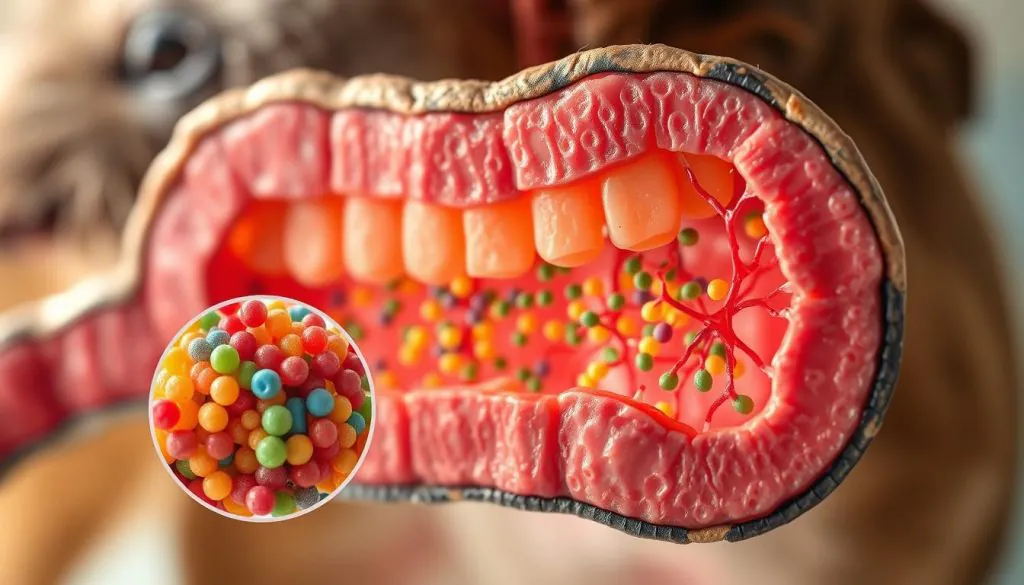
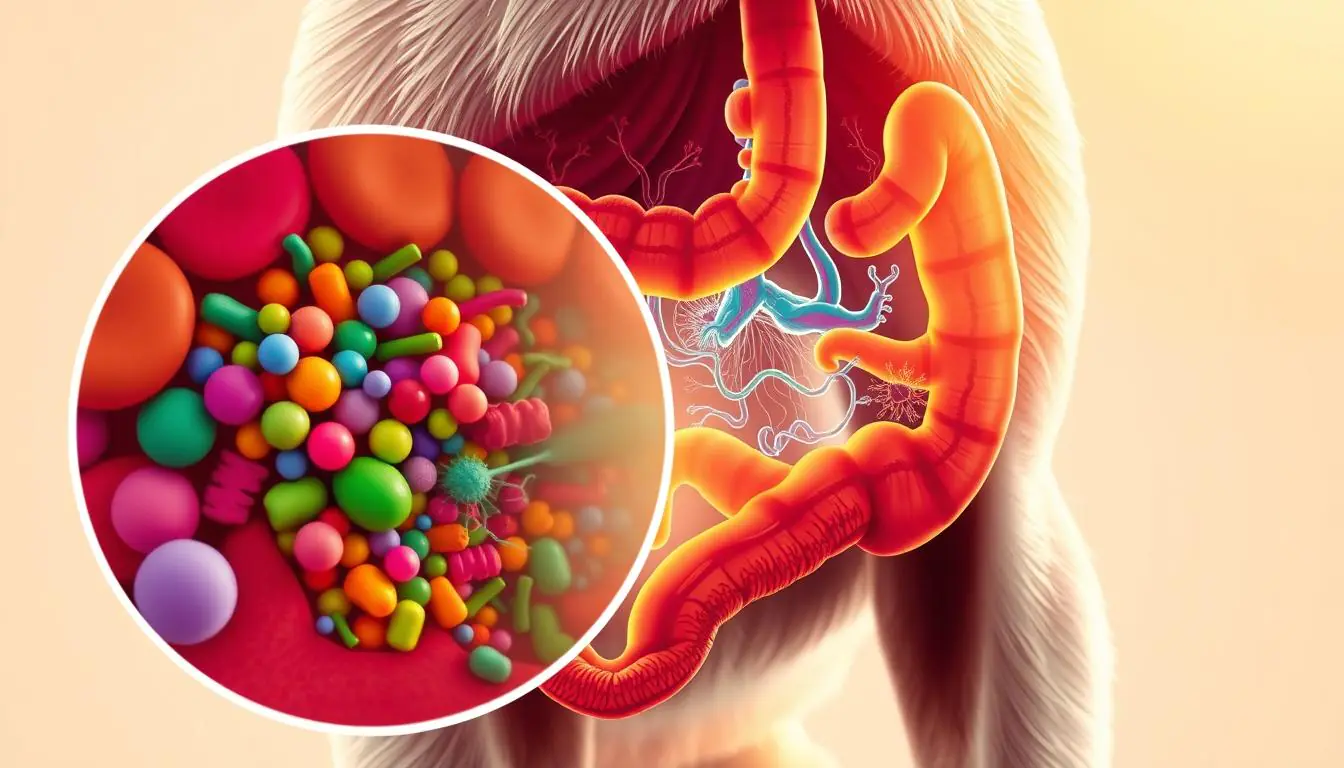
A detailed cross-section of a healthy dog's gut microbiome, showcasing the diverse array of beneficial bacteria that support immunity and energy levels. The foreground features a magnified view of the intestinal lining, with vibrant, colorful microorganisms thriving in a harmonious ecosystem. The middle ground reveals the intricate network of microvilli and crypts that facilitate nutrient absorption, while the background depicts the gut's intricate blood vessel system and connective tissue. Warm, natural lighting illuminates the scene, conveying the vital importance of this delicate, living system. Captured with a high-resolution, macro lens to emphasize the complexity and beauty of this essential canine physiological feature.

What diversity does for immune balance

Diverse gut bacteria teach immune cells to tell friend from foe. When many strains coexist, the immune system avoids overreacting to harmless exposures and targets real threats faster.

Pathways from digestion to mood and energy

Microbes produce short-chain fatty acids that feed intestinal cells and keep harmful microbes in check. They also signal the brain through the gut-brain axis, helping stabilize mood and daily vitality.

When balance breaks

Antibiotics, stress, and processed diets can reduce diversity. That loss raises risk for IBD, allergies, and low energy.

Strain Main Action When to Consider
Lactobacillus Immune modulation; supports digestion During mild digestive upset or seasonal immune support
Bifidobacterium Promotes barrier function and SCFA production When diversity is low or after antibiotics
S. boulardii Rebalances after disruptions; reduces inflammation Following diarrhea or vet-recommended antibiotic use

If you’re considering ongoing support, DLY Pets probiotics for dogs can fit into a plan you build with your veterinarian after assessing the microbiome.

How to Assess dog gut health Right Now

A quick symptom checklist can reveal early clues that the digestive tract needs attention. Start by noting changes you see: loose stools, diarrhea, constipation, itchy or flaky skin, bad breath, or sudden anxiety and pacing.

Signs to watch:

  • Loose stools or repeated diarrhea and times they occur.
  • Hard stools or constipation that last more than a day or two.
  • Itchy skin, flaky patches, or persistent bad breath.
  • Increased restlessness, clinginess, or changes in energy.

When to test

Stool-based microbiome testing uses DNA sequencing on a single fecal sample to map which bacteria live in the digestive tract and their proportions. Results compare your pet to healthy peers and can reveal low diversity or an overgrowth that explains symptoms.
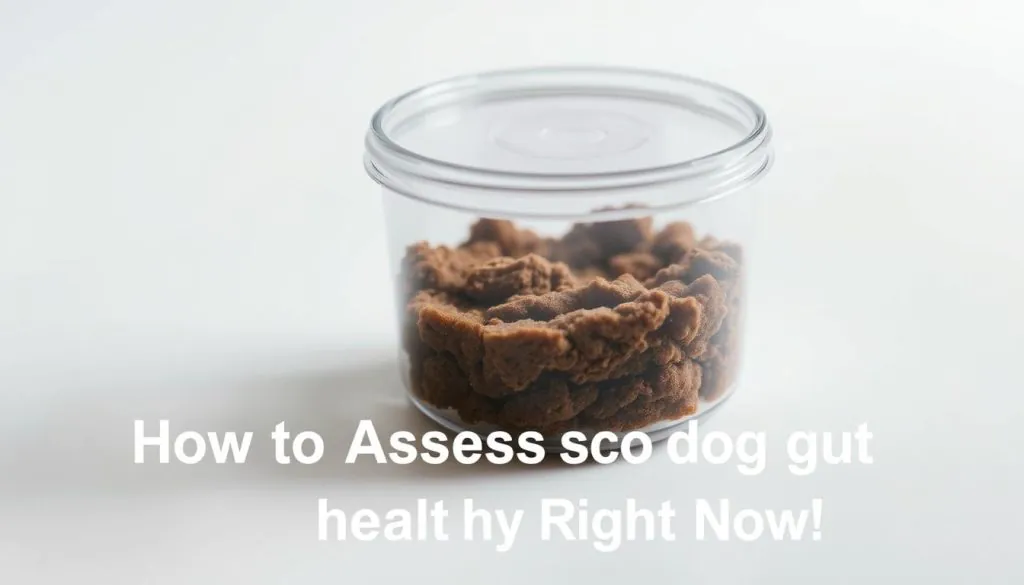
A high-resolution, detailed image of a stool-based microbiome test kit. The kit is composed of a clear plastic container with a lid, filled with a brown stool sample. The container is placed on a clean, white background, illuminated by soft, even lighting from the side. The focus is sharp, capturing the textural details of the stool sample and the transparent container. The image conveys a sense of scientific precision and clinical analysis, suitable for illustrating the "How to Assess dog gut health Right Now" section of the article.

Work with your veterinarian

“Before adding new products or major diet changes, consult your veterinarian.”

Share a symptom diary and test report so you both can plan targeted steps. If your animal recently finished antibiotics, testing now can show disruption so you can prioritize recovery and retest later.

Practical next steps: consider a trusted at-home stool test like the stool-based microbiome test, track changes every few weeks, and introduce any supplements slowly while monitoring for short-term digestive changes.

Food-First Fixes: Build a Healthy Gut with Diet, Fiber, and Daily Habits

Start with meals that favor high protein and fewer carbs to encourage beneficial microbes in the digestive tract.

Shift your pet’s bowl. Choose higher-protein, lower-carbohydrate dog food to limit fermentable carbs that can feed undesirable bacteria and drive inflammation.
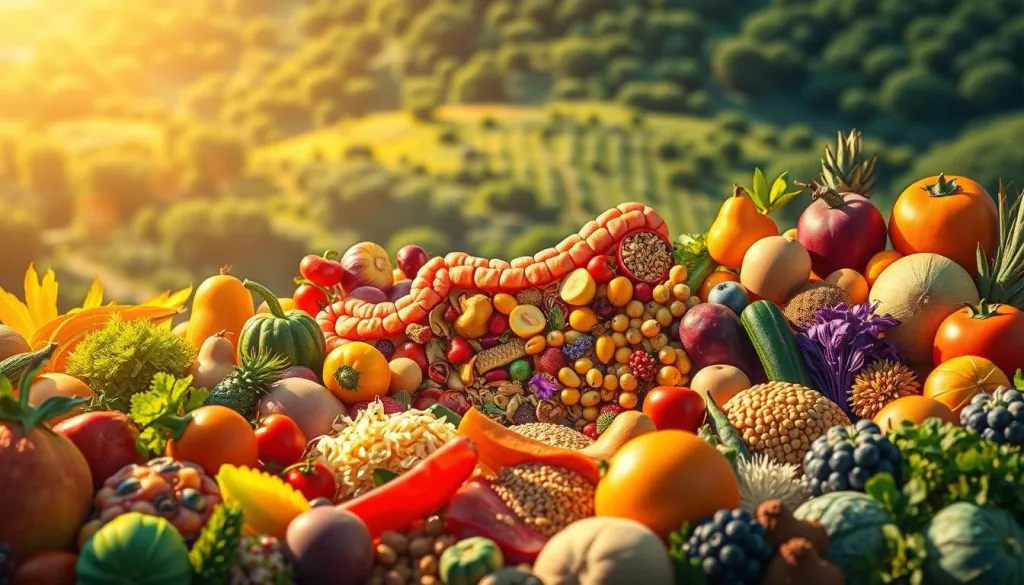
A vibrant, detailed illustration of a "food-first gut microbiome". In the foreground, an array of diverse, brightly-colored fruits, vegetables, and whole grains, representing the fiber-rich, nutrient-dense foods that nourish a healthy gut. In the middle ground, a cross-section of the gut, teeming with an abundance of diverse, beneficial gut bacteria, illustrated as colorful, abstract shapes and forms. In the background, a lush, verdant landscape, symbolizing the thriving, balanced ecosystem of the gut microbiome. The lighting is warm and natural, with soft shadows and highlights accentuating the organic textures and shapes. The overall mood is one of vitality, abundance, and holistic wellness.

Prebiotics and fiber

Feed the good microbes. Mix in prebiotic fibers like inulin, FOS, MOS, and pumpkin to support digestion and immune benefits.

Introduce fibers slowly and keep your pet well hydrated while you monitor stool and comfort.

Fermented foods and postbiotics

Small portions of plain yogurt, kefir, or low-salt sauerkraut provide postbiotics such as short-chain fatty acids.

Avoid sweeteners like xylitol and offer fermented foods in modest amounts to prevent tummy upset.

Lifestyle boosters

Daily outdoor time exposes dogs to diverse environmental microbes. Regular exercise, stress reduction, and maintaining a healthy weight also support the microbiome.

Action Why it helps How to start
Higher-protein, lower-carb food Favors beneficial bacteria and steady energy Swap to a quality formula or add cooked lean protein
Prebiotic fibers (inulin, FOS, MOS, pumpkin) Feeds good microbes and improves transit time Mix small amounts into meals; increase over 1–2 weeks
Fermented foods (yogurt, kefir) Provides postbiotics and supports barrier function Offer teaspoon-sized servings, avoid sweeteners
Lifestyle: outdoor time & exercise Boosts microbial exposure and reduces stress Daily walks, play sessions, and consistent routines

If you’re already optimizing meals, layer in DLY Pets probiotics for dogs to complement a high-protein, lower-carbohydrate plan and a variety of prebiotics.

Probiotics, Prebiotics, and When to Use Them for Immune and Digestive Support

Not all supplements are equal. Strain choice, dose, and storage determine whether live cultures reach your pet and provide benefit.
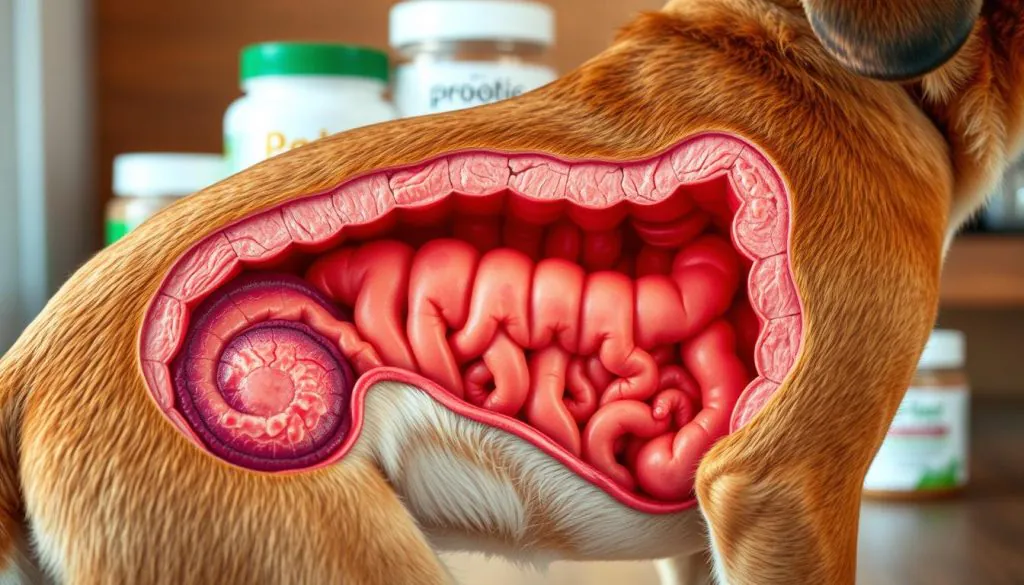
A detailed cross-section of a dog's digestive system, showcasing the intricate network of the gut. In the foreground, a vibrant and healthy intestinal tract, featuring the various layers of the gut wall, including the mucosa, submucosa, and muscularis. The middle ground highlights the intricate web of blood vessels and lymphatic tissue, representing the critical role of the gut in immune function. In the background, a softly blurred representation of probiotic and prebiotic supplements, symbolizing their importance in supporting gut health and overall wellbeing. The scene is bathed in a warm, natural lighting, creating a sense of depth and emphasizing the delicate balance of the canine digestive system.

How probiotics work

Probiotics are live helpers that add good bacteria or yeast to the microbiome. They produce short-chain fatty acids that support immune tone and can limit harmful microbes.

Strain matters

  • Lactobacillus and Bifidobacterium: immune support, reduce diarrhea and stress-related upset.
  • Bacillus species: robust immune signaling.
  • Enterococcus faecium: may shorten diarrhea courses.
  • S. boulardii: a yeast probiotic that helps reset after disruptions.

When to supplement and how to choose

Reach for probiotic supplements during stress, travel, diet changes, allergy seasons, or with antibiotics. Pair them with prebiotics to feed the added microbes.

Strain Main Action Best Use
Lactobacillus Immune modulation Stress, mild diarrhea
Bifidobacterium Barrier support After antibiotics
S. boulardii Reset after disruption Post-diarrhea, antibiotic recovery

Choose canine-specific probiotic supplements when possible. Follow label dosing, keep products cool and sealed, and start with the recommended dose while you monitor stool and comfort.

“Consult your veterinarian before starting any new supplement, especially for puppies or pets with medical issues.”

DLY Pets probiotics for dogs are formulated for the canine microbiome and can fit into daily routines during transitions or as ongoing support. Follow storage and dosing instructions for best results.

A Practical, Present-Day Plan to Rebalance Your Dog’s Gut and Energy

Begin by learning the microbiome profile so every change you make is precise and measurable. A stool DNA test tells you whether to add diversity, treat an overgrowth, or both. Testing avoids guesswork and speeds recovery.
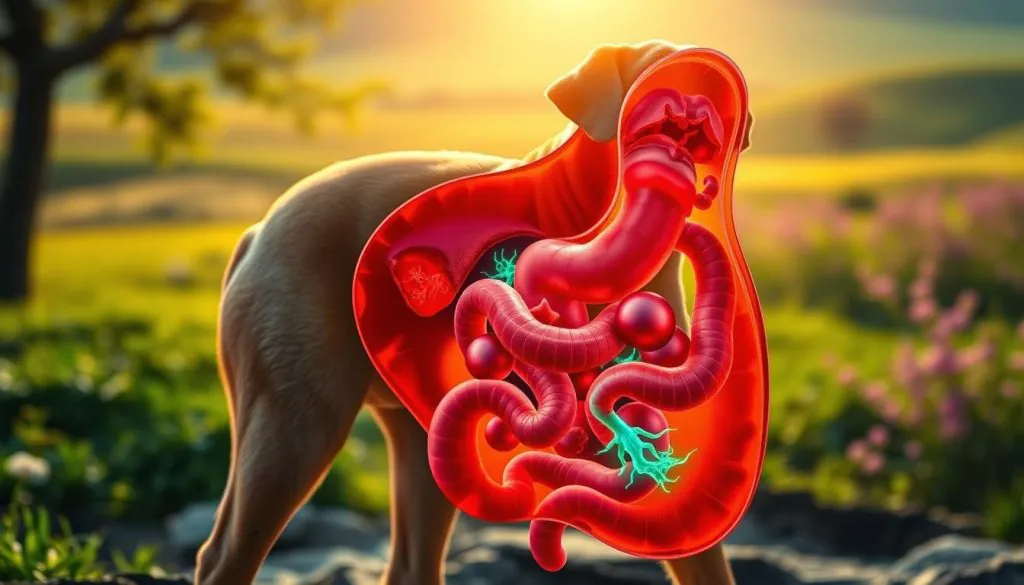
A vibrant, high-resolution image of a dog's digestive system in a cutaway view, showcasing the gut microbiome. The foreground features the intestines, colon, and stomach in vivid, realistic detail, with a glowing, healthy balance of gut flora. The middle ground depicts the liver, pancreas, and other vital organs working in harmony. The background is a serene, calming landscape with lush greenery, sunlight filtering through, and a sense of natural balance. Soft, warm lighting illuminates the scene, creating a contemplative, educational atmosphere. Captured with a macro lens for maximum clarity and depth of field.

The Test‑Add‑Remove‑Rebalance framework applied at home

Test: use a stool profile to map missing strains or excesses so you can tailor steps with your veterinarian.

Add: introduce prebiotics (inulin, FOS, MOS), targeted probiotics like S. boulardii and strain-specific mixes, and small amounts of fermented foods. Consider DLY Pets probiotics for dogs as part of the Add step and then for daily maintenance if your pet responds well.

Remove: cut excess fermentable carbs, identify food intolerances, reduce stressors, and, with vet guidance, explore advanced options such as targeted bacteriophages or FMT for severe imbalances.

Rebalance: shift to a higher-protein, lower-carbohydrate diet with steady fiber to feed beneficial microbes and support regular stools without bloating.

Tracking progress: stool quality, skin, behavior, and energy over four to six weeks

Track stool consistency and frequency, skin comfort and itch, daily energy, and behavior each week. Note any loose stools or constipation and adjust dosing if needed.

  • Expect measurable digestive and immune improvements around four weeks.
  • Calmer behavior often follows by six weeks; reassess supplements and diet then.
  • Keep a daily probiotic like DLY Pets probiotics for dogs if your pet stabilizes, and rotate prebiotic fibers for variety.
  • Re-test after antibiotics or major diet changes to confirm balance and fine-tune the plan with your vet.

Conclusion

Finish with a simple, actionable routine you can keep. Focus meals on protein, add measured prebiotics like pumpkin or inulin, and offer tiny portions of safe fermented foods.

Use a canine-specific probiotic as part of daily care. Try DLY Pets probiotics to support balance alongside a protein-forward dog diet and regular outdoor time.

Track the big four: stool quality, skin comfort, daily energy, and behavior. If you see recurring diarrhea, itchy skin, or low pep, consider stool testing and adjust steps with your veterinarian.

Small, steady changes protect the gut microbiome and boost digestion, mood, and energy for healthy dogs.

FAQ

What is the connection between your pet’s digestive microbiome, immunity, and daily energy?

The community of microbes in the digestive tract helps extract nutrients, makes short-chain fatty acids, and trains the immune system. When diversity is high, your companion usually shows better digestion, clearer skin, steady energy, and fewer infections. Low diversity or an imbalance can cause fatigue, allergies, and chronic inflammation that reduce overall vitality.

What does “microbiome diversity” mean and why does it matter?

Diversity refers to many different beneficial bacteria living together. That variety creates resilience: bacteria share tasks like breaking down fiber, producing vitamins, and keeping pathogens in check. A diverse microbiome supports nutrient absorption and immune balance so your pet feels more energetic and resists illness.

How can the digestive tract influence mood and activity through the gut-brain axis?

Microbes produce signaling molecules and neurotransmitter precursors that affect the nervous system. Those compounds travel through nerves, blood, and immune pathways to influence behavior, anxiety, and energy levels. Improving microbial balance often improves mood and daily activity.

What common conditions indicate an imbalance in the microbiome?

Look for frequent diarrhea or constipation, persistent itchy skin, bad breath, sudden changes in appetite or weight, and increased anxiety or lethargy. These signs often point to microbiome disruption and warrant assessment or a vet consult.

When should you do stool-based microbiome testing and what can it reveal?

Test when you notice chronic digestive or skin issues, poor response to diet changes, or after repeated antibiotics. Modern stool panels identify bacterial diversity, overgrowths, and markers of inflammation so you can target diet, prebiotics, or specific probiotic strains more effectively.

Why should you consult your veterinarian before changing diet or starting supplements?

A vet rules out medical causes, adjusts treatments for conditions like IBD or allergies, and recommends safe products and dosages. Professional guidance prevents interactions, improper dosing, and delays in diagnosing serious illness.

What diet changes support beneficial bacteria and digestion?

Aim for a higher-protein, lower-carbohydrate formulation that matches life stage, and include fiber sources such as pumpkin, inulin, or FOS in sensible amounts. These choices feed beneficial microbes, stabilize blood sugar, and improve stool quality and nutrient uptake.

Are fermented foods and postbiotics safe to give at home?

Small amounts of plain yogurt or kefir (low sugar, no artificial sweeteners) can be helpful for many pets; low-salt sauerkraut in tiny amounts may also work. Start slowly, monitor stool, and avoid anything with xylitol, garlic, or onion. Check with your vet first if your companion is immunocompromised.

What lifestyle habits boost microbial balance and immune function?

Regular exercise, outdoor time, consistent meal schedules, proper weight control, and stress reduction all promote microbial diversity. Good dental care and limiting unnecessary antibiotics also preserve beneficial bacteria and reduce infection risk.

How do probiotics help, and what outcomes can you expect?

Probiotics introduce helpful strains that can reduce diarrhea, support recovery after antibiotics, modulate inflammation, and increase short-chain fatty acid production. Benefits often appear within days to weeks for digestion and up to a month for skin or behavior improvements.

Why does strain selection matter when choosing a supplement?

Different strains perform distinct roles: Lactobacillus and Bifidobacterium often support digestion, Bacillus and Enterococcus can survive stomach acid better, and Saccharomyces boulardii works well against certain diarrheas. Choose formulas with clinically studied strains for the issue you’re addressing.

When should you start a probiotic supplement?

Consider supplements during stress, travel, diet transition, after antibiotics, or when facing diarrhea or chronic skin issues. Use them alongside diet improvements and under veterinary supervision for chronic disease management.

How do you choose and store an effective canine-specific probiotic?

Pick a product made for pets with clear strain IDs, CFU counts per serving, and stable packaging. Follow dosing guidelines for weight, refrigerate if required, and avoid high heat during storage to protect live cultures.

Where do DLY Pets probiotics fit into a routine?

DLY Pets offers canine-focused formulas with targeted strains and storage directions. Use them during transitional periods, after vet advice, and combined with fiber-rich foods and consistent daily routines to support digestion and immune resilience.

What is the Test–Add–Remove–Rebalance framework you can follow at home?

Test by observing baseline stool, skin, and energy; add focused changes like a new diet or probiotic; remove potential triggers such as treats with high sugar or suspected allergens; then rebalance with prebiotics, measured fiber, and lifestyle improvements. Track responses over weeks and adjust with your vet’s input.

How should you track progress over four to six weeks?

Keep a simple log of stool quality, appetite, coat condition, behavior, and energy daily or every few days. Note any supplements, diet changes, and medications. Improvement in stool and energy often appears first; skin and allergy gains may take longer.
Picture of long

long

August 18, 2025

Share this post